Category: Abid hearing

Abid Hearing Care Center 👂 | Premium Hearing Aids & Tests 🇧🇩

Abid Hearing Care Center 👂✨ delivers premium hearing healthcare in Bangladesh 🇧🇩. We provide precise hearing assessments and advanced digital hearing aids 🔊. Our expert audiologists offer personalized consultations and exact fittings. We specialize in tinnitus management 🎧 and professional ear care đŸŠē. Using cutting-edge technology and world-class brands, we help you hear clearly and live confidently 💙.

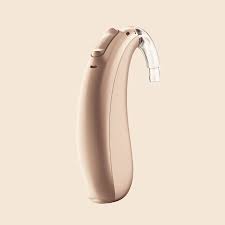
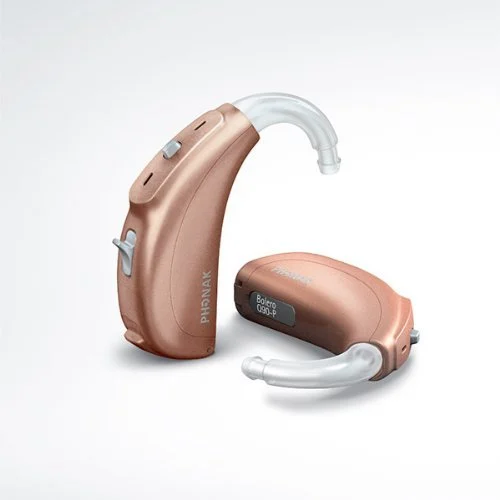
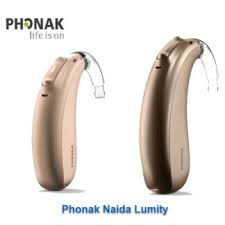
  • Hearing Aids Style

    Hearing Aids Style

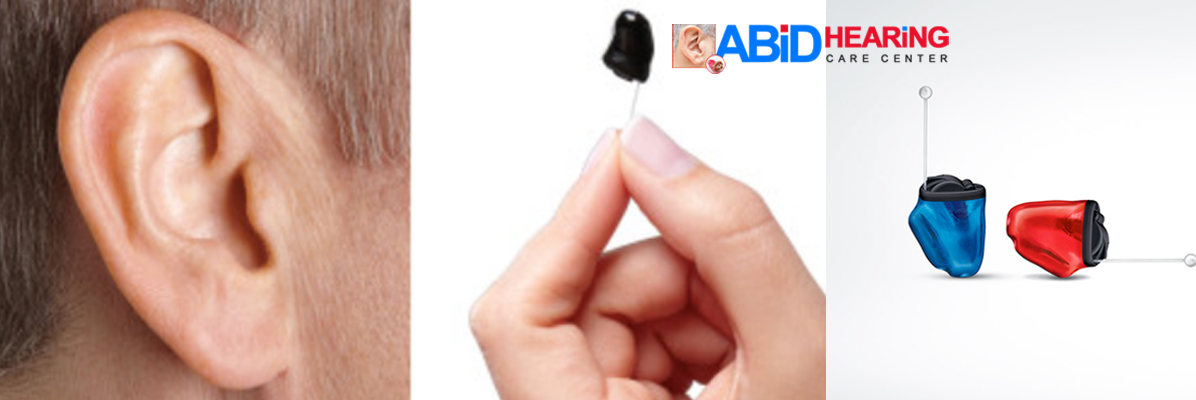
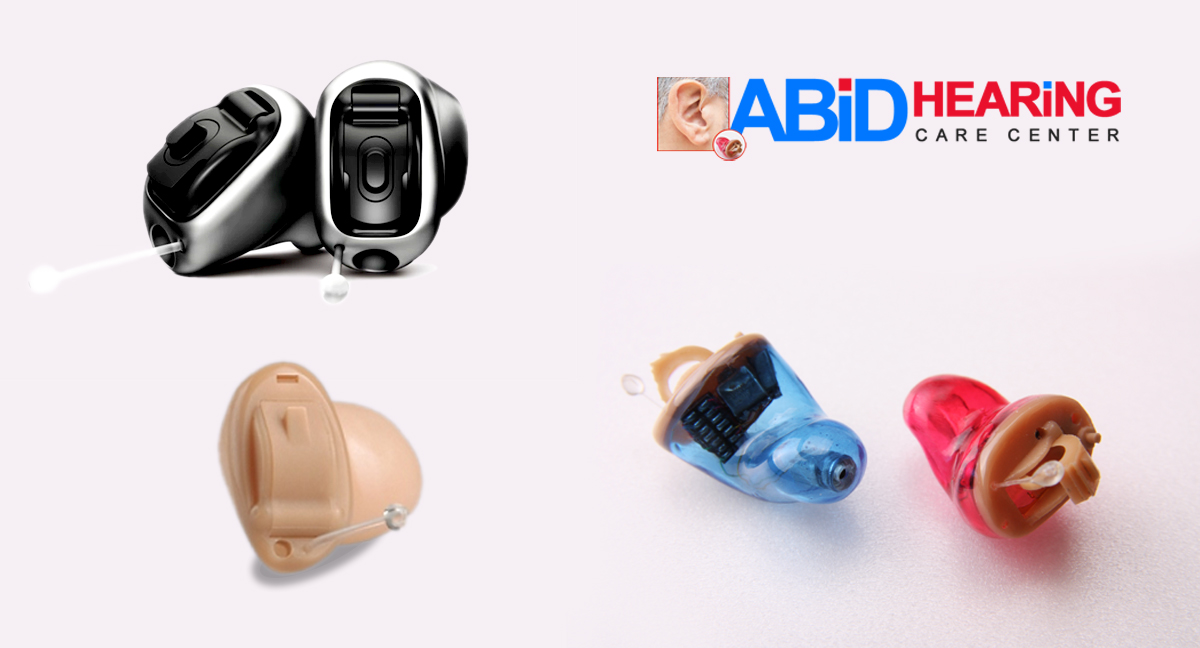
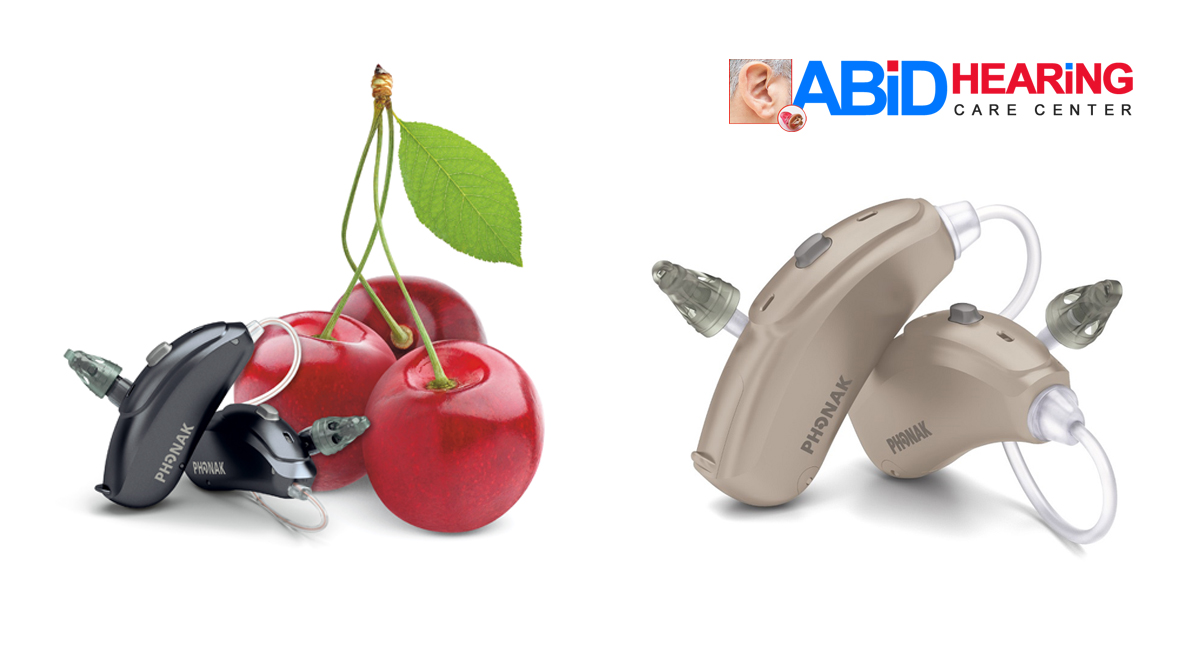
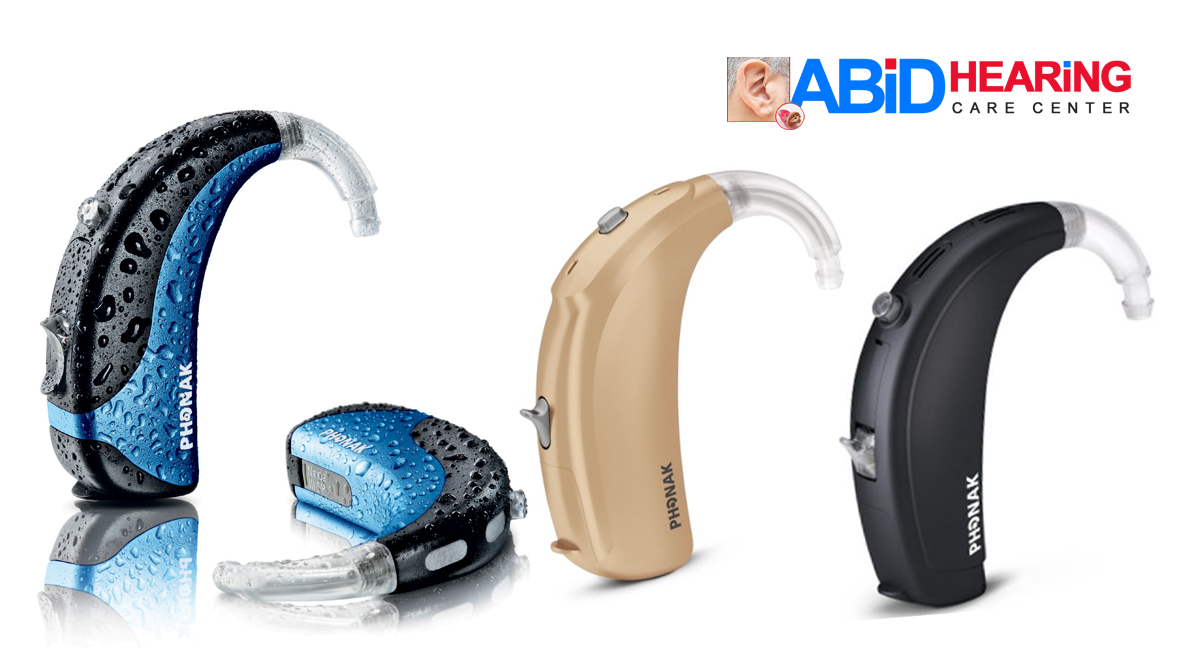
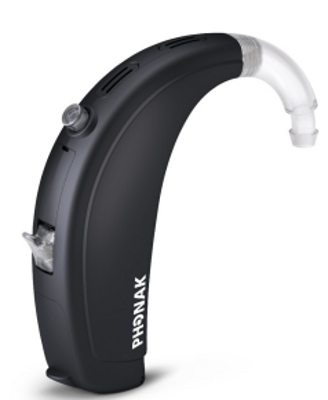
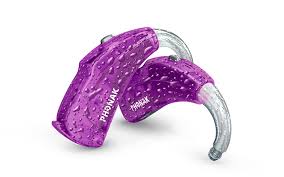
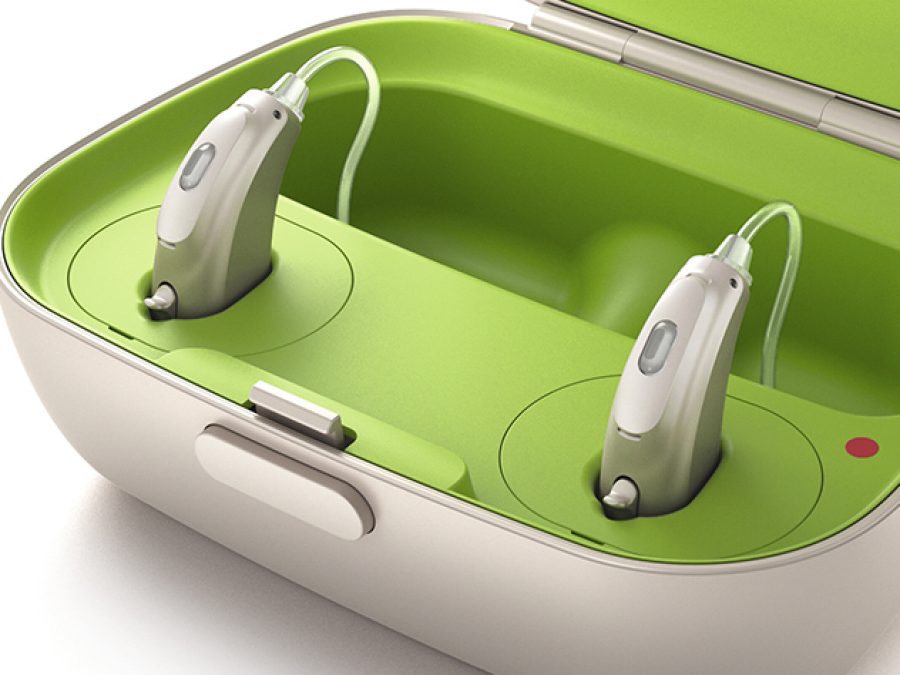
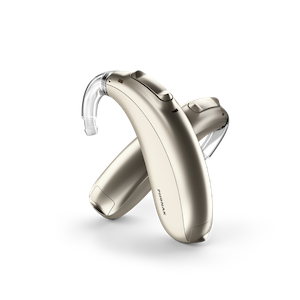
    Your Hearing Aids professional may recommend one or more types depending on factors like your level of hearing loss, aesthetic preferences, lifestyle needs, and budget. Also, Most BTE and RIC styles offer a range of colors and metallic finishes to match your hair or skin tone. *Results may vary individually. Additionally, The invisibility can change depending on the anatomy of your ear.

    Abid Hearing Care Centre in Dhaka

    We provide for your high quality Hearing devices

    Abid Hearing Care Centre, where we offer a wide range of hearing aids and comprehensive hearing healthcare services. We established Abid Hearing Care Centre (AHCC) . Our overarching goal of providing state-of-the-art hearing solutions to individuals of all ages. Our specialists have full experience, skills, and training in Clinical Competence in Audiology and hearing aid expertise.

    MHCC stands out as a leading Hearing Aid Provider and Service Centre in Bangladesh. Surely, It is emphasizing the fundamental role of hearing in connecting us with family, friends, and co-workers. Hearing is essential for everyday communication, and we often overlook the complexity of our ears as intricate organs.

    Therefore, we must emphasize the importance of not waiting too long to address hearing issues. On average, individuals with hearing loss wait almost 10 years before taking proactive steps to recover their hearing and improve their quality of life. Additionally, it’s crucial to note that hearing loss can begin unnoticed, making simple conversations exhausting for those affected.

    Individuals with hearing loss may find conversations with loved ones, meetings, phone calls, and watching TV particularly challenging.

    In conclusion, our services extend beyond initial fittings. We prioritize quality maintenance through routine six-monthly hearing aid servicing appointments for five years. This involves replacing components, testing performance, and examining the health of the ear. Furthermore, we will reassess your hearing and reprogram hearing aids to reflect any changes every two years.

    At Abid Hearing Care Centre, we strive to provide unparalleled sound quality, universal connectivity, and personalized digital solutions through Phonak hearing aids.

    Join us in discovering why the sound of Paradise is truly unmatched for a better quality of life.

  • admin

    No posts found.
  • Hearing aid Repair

    [yith_woocompare_table]

  • Hearing aid repair & service

    Hearing aid repair & service

    Our Service

    Hearing Aids services and activities :

    Good quality Hearing Aids

    • Hearing Aids supply and Hearing test
    • Tinnitus management
    • Ear Moulid & Shell Making Facility
    • Repairing and Servicing of hearing aids
    • Accessories sale (Ear Plug, Battery, Cord, Receiver, etc.)
    • Hearing aids Sale

    Abid Hearing Care Centre offers hearing instruments from world leaders in hearing aid technology and also offers 100% digital hearing aids, digitally-programmable and analog hearing aids, and conventional non-programmable hearing aids. All are available in various sizes and styles to suit all degrees of hearing loss, ranging from powerful behind-the-ear (BTE) models and In-the-ear (ITE) styles to the nearly invisible completely-In-the-canal (CIC) models.

    Hearing Aid Repair And Maintenance

    High Quality Hearing Aids

    We provide hearing aid repairs, batteries, and supplies to keep your devices going.

    Case History :

     Your appointment will begin with a case history. During this time, the specialist will ask you questions about your hearing, noise exposure, communication issues, and medically related issues such as tinnitus and dizziness. It’s to determine where you have trouble hearing.

    Ear Check : The specialist will check for excessive ear wax, blockages, or any problems with your ears that may require further evaluation by a physician.

    Hearing Evaluation : A comprehensive audio-logical evaluation will be performed in a soundproof booth.  Above all, this allows the audiologist to determine the degree and type of hearing loss.

    Your Hearing : The human ear is the most complex sensory organ in the human body. Yet, its complexity is not appreciated because all we can see of it is the external ear, which is used more often to keep eyeglasses from sliding down our faces and to decorate with jewelry. Also, The basic function of the ear is to take sound waves, which are atom-sized variations in air pressure, and eventually convert them into nerve impulses which our brain can process. Finally, To accomplish this, the ear has an extraordinarily sophisticated system encased inside the temporal bone of our skull.

    Hearing Loss : 

    Hearing loss is perhaps the most common disability in people. Yet, it’s the one that’s most likely to go without treatment for a long period, until it reaches such a degree of impairment that work or social functioning becomes a serious concern. Hearing loss, of course, can be present at any age, from birth on. It is estimated that over 33 million people in the U.S. have hearing issues requiring some form of assistance. However, only about 10-15% of that group seeks solutions for hearing loss. Hearing problems can result from many different causes. One cause can be as minor as earwax (cerumen) blocking the ear cannel. In extreme situations, hearing loss may be caused by a tumor (usually benign) on the hearing nerve. But more often than not, hearing loss can stem from many other causes, some present at birth, most occurring later in life.

    Types Of Hearing Loss : 

    Some types of hearing loss result from interference with delivering sound energy to the inner ear. This is usually referred to as a conductive loss and can be treated medically or surgically. Such treatments may include simply removing impacted cerumen from the ear canal, treating ear infections with medications, or surgical intervention to treat otosclerosis, a condition resulting from excessive bony growth in the middle ear. The most common type of hearing loss is called a sensory hearing loss (incorrectly called “nerve deafness” or “nerve loss”). 

    This type of hearing loss results from permanent damage to the inner ear, causing the loss of many of the thousands of tiny hair cells that convert sound waves into the information sent along the hearing nerve to the brain. The nerve fibers are usually intact, but there is nothing to activate them. About 85% of people with hearing loss have sensory hearing loss. While there is no medical or surgical treatment, these people can benefit from hearing devices. When the degree of hearing loss reaches the profound level, where an individual might be classified as truly deaf, a cochlear implant, a device that stimulates the hearing nerve with tiny electrical currents, is often an option. Ear surgeons install a cochlear implant and through audio-logical rehabilitation, implant users can often reach high levels of success.

    Hearing Test:

    • Pure Tone Audiometry (PTA)
    • Impedance ( Tympanometry 226Hz for Adult)
    • Impedance ( Tympanometry 1000 Hz for Child)
    • Eustachian Tube Function Test( ETF)
    • SRT (Stapedial  Reflex Threshold)
    • Behaviour Observation Audiometry (BOA)
    • Play Audiometry
    • Speech Audiometry
    • UCL
    • Tone Decay
    • Computerized Digital Hearing Aid Fitting
    Pediatric Hearing Evaluations:
    • Otoacoustie Emission Test (OAE)
    • Transient-evoked OAE (TEOAE)
    • Distortion product optoacoustic emissions testing (DPOAE)
    • Auditory Brainstem Response (ABR)
    • Auditory Steady-state Responses (ASSR)

    After your digital hearing aids are fitted, we schedule follow-up appointments to monitor your progress and help you acclimatize to your new lease of sound.

    Once you are experiencing the maximum possible benefit from your digital hearing aids, we offer free routine six-monthly hearing aid servicing appointments for five years. This is vital since hearing aids require regular maintenance, servicing and re-calibrating to ensure they are operating at their prescribed level and providing you with optimal benefit. The hearing aid service includes:

    • Replacing of any dome, sports lock, wax guard, acoustic tubing your hearing aid may have
    • Vacuuming of the microphone ports, receiver (loudspeaker) and ventilation holes to clear them of impeding dust, debris, and ear wax
    • Testing the performance of your hearing aid in a ‘Hearing Aid Test Chamber’ to ensure it is working to specification
    • Examine the health of your ear and relay it on a large monitor to check for ear wax, ear infections, and other outer ear pathologies
    • Performing of any fine-tuning and firmware upgrades

    Furthermore, every two years your hearing will be reassessed and hearing aids reprogrammed to reflect any changes in your hearing.

  • Hearing aid battery

    Hearing aid battery

    Our Service

    Abid Hearing Care Centre offers hearing instruments from world leaders in hearing aid technology and also offers 100% digital hearing aids, digitally-programmable and analog hearing aids, and conventional non-programmable hearing aids. All are available in various sizes and styles to suit all degrees of hearing loss, ranging from powerful behind-the-ear (BTE) models and In-the-ear (ITE) styles to the nearly invisible completely-In-the-canal (CIC) models.

    Rechargeable Hearing Aid Price in Bangladesh | Abid Hearing 🔋👂

    Hearing Aids services and activities :

    Good quality Hearing Aids

    • Hearing Aids supply and Hearing test
    • Tinnitus management
    • Ear Moulid & Shell Making Facility
    • Repairing and Servicing of hearing aids
    • Accessories sale (Ear Plug, Battery, Cord, Receiver, etc.)
    • Hearing aids Sale

    Hearing Aid Repair And Maintenance

    High Quality Hearing Aids

    We provide hearing aid repairs, batteries, and supplies to keep your devices going.

    Case History :

     Your appointment will begin with a case history. During this time, the specialist will ask you questions about your hearing, noise exposure, communication issues, and medically related issues such as tinnitus and dizziness. It’s to determine where you have trouble hearing.

    Ear Check : The specialist will check for excessive ear wax, blockages, or any problems with your ears that may require further evaluation by a physician.

    Hearing Evaluation : A comprehensive audio-logical evaluation will be performed in a soundproof booth.  Above all, this allows the audiologist to determine the degree and type of hearing loss.

    Your Hearing : The human ear is the most complex sensory organ in the human body. Yet, its complexity is not appreciated because all we can see of it is the external ear, which is used more often to keep eyeglasses from sliding down our faces and to decorate with jewelry. Also, The basic function of the ear is to take sound waves, which are atom-sized variations in air pressure, and eventually convert them into nerve impulses which our brain can process. Finally, To accomplish this, the ear has an extraordinarily sophisticated system encased inside the temporal bone of our skull.

    Hearing Loss : 

    Hearing loss is perhaps the most common disability in people. Yet, it’s the one that’s most likely to go without treatment for a long period, until it reaches such a degree of impairment that work or social functioning becomes a serious concern. Hearing loss, of course, can be present at any age, from birth on. It is estimated that over 33 million people in the U.S. have hearing issues requiring some form of assistance. However, only about 10-15% of that group seeks solutions for hearing loss. Hearing problems can result from many different causes. One cause can be as minor as earwax (cerumen) blocking the ear cannel. In extreme situations, hearing loss may be caused by a tumor (usually benign) on the hearing nerve. But more often than not, hearing loss can stem from many other causes, some present at birth, most occurring later in life.

    Types Of Hearing Loss : 

    Some types of hearing loss result from interference with delivering sound energy to the inner ear. This is usually referred to as a conductive loss and can be treated medically or surgically. Such treatments may include simply removing impacted cerumen from the ear canal, treating ear infections with medications, or surgical intervention to treat otosclerosis, a condition resulting from excessive bony growth in the middle ear. The most common type of hearing loss is called a sensory hearing loss (incorrectly called “nerve deafness” or “nerve loss”). 

    This type of hearing loss results from permanent damage to the inner ear, causing the loss of many of the thousands of tiny hair cells that convert sound waves into the information sent along the hearing nerve to the brain. The nerve fibers are usually intact, but there is nothing to activate them. About 85% of people with hearing loss have sensory hearing loss. While there is no medical or surgical treatment, these people can benefit from hearing devices. When the degree of hearing loss reaches the profound level, where an individual might be classified as truly deaf, a cochlear implant, a device that stimulates the hearing nerve with tiny electrical currents, is often an option. Ear surgeons install a cochlear implant and through audio-logical rehabilitation, implant users can often reach high levels of success.

    Hearing Test:

    • Pure Tone Audiometry (PTA)
    • Impedance ( Tympanometry 226Hz for Adult)
    • Impedance ( Tympanometry 1000 Hz for Child)
    • Eustachian Tube Function Test( ETF)
    • SRT (Stapedial  Reflex Threshold)
    • Behaviour Observation Audiometry (BOA)
    • Play Audiometry
    • Speech Audiometry
    • UCL
    • Tone Decay
    • Computerized Digital Hearing Aid Fitting
    Pediatric Hearing Evaluations:
    • Otoacoustie Emission Test (OAE)
    • Transient-evoked OAE (TEOAE)
    • Distortion product optoacoustic emissions testing (DPOAE)
    • Auditory Brainstem Response (ABR)
    • Auditory Steady-state Responses (ASSR)

    After your digital hearing aids are fitted, we schedule follow-up appointments to monitor your progress and help you acclimatize to your new lease of sound.

    Once you are experiencing the maximum possible benefit from your digital hearing aids, we offer free routine six-monthly hearing aid servicing appointments for five years. This is vital since hearing aids require regular maintenance, servicing and re-calibrating to ensure they are operating at their prescribed level and providing you with optimal benefit. The hearing aid service includes:

    • Replacing of any dome, sports lock, wax guard, acoustic tubing your hearing aid may have
    • Vacuuming of the microphone ports, receiver (loudspeaker) and ventilation holes to clear them of impeding dust, debris, and ear wax
    • Testing the performance of your hearing aid in a ‘Hearing Aid Test Chamber’ to ensure it is working to specification
    • Examine the health of your ear and relay it on a large monitor to check for ear wax, ear infections, and other outer ear pathologies
    • Performing of any fine-tuning and firmware upgrades

    Furthermore, every two years your hearing will be reassessed and hearing aids reprogrammed to reflect any changes in your hearing.

  • Hearing care

    Hearing care

    Our Service

    Hearing Aids services and activities :

    Good quality Hearing Aids

    • Hearing Aids supply and Hearing test
    • Tinnitus management
    • Ear Moulid & Shell Making Facility
    • Repairing and Servicing of hearing aids
    • Accessories sale (Ear Plug, Battery, Cord, Receiver, etc.)
    • Hearing aids Sale

    Abid Hearing Care Centre offers hearing instruments from world leaders in hearing aid technology and also offers 100% digital hearing aids, digitally-programmable and analog hearing aids, and conventional non-programmable hearing aids. All are available in various sizes and styles to suit all degrees of hearing loss, ranging from powerful behind-the-ear (BTE) models and In-the-ear (ITE) styles to the nearly invisible completely-In-the-canal (CIC) models.

    Hearing Aid Repair And Maintenance

    High Quality Hearing Aids

    We provide hearing aid repairs, batteries, and supplies to keep your devices going.

    Case History :

     Your appointment will begin with a case history. During this time, the specialist will ask you questions about your hearing, noise exposure, communication issues, and medically related issues such as tinnitus and dizziness. It’s to determine where you have trouble hearing.

    Ear Check : The specialist will check for excessive ear wax, blockages, or any problems with your ears that may require further evaluation by a physician.

    Hearing Evaluation : A comprehensive audio-logical evaluation will be performed in a soundproof booth.  Above all, this allows the audiologist to determine the degree and type of hearing loss.

    Your Hearing : The human ear is the most complex sensory organ in the human body. Yet, its complexity is not appreciated because all we can see of it is the external ear, which is used more often to keep eyeglasses from sliding down our faces and to decorate with jewelry. Also, The basic function of the ear is to take sound waves, which are atom-sized variations in air pressure, and eventually convert them into nerve impulses which our brain can process. Finally, To accomplish this, the ear has an extraordinarily sophisticated system encased inside the temporal bone of our skull.

    Hearing Loss : 

    Hearing loss is perhaps the most common disability in people. Yet, it’s the one that’s most likely to go without treatment for a long period, until it reaches such a degree of impairment that work or social functioning becomes a serious concern. Hearing loss, of course, can be present at any age, from birth on. It is estimated that over 33 million people in the U.S. have hearing issues requiring some form of assistance. However, only about 10-15% of that group seeks solutions for hearing loss. Hearing problems can result from many different causes. One cause can be as minor as earwax (cerumen) blocking the ear cannel. In extreme situations, hearing loss may be caused by a tumor (usually benign) on the hearing nerve. But more often than not, hearing loss can stem from many other causes, some present at birth, most occurring later in life.

    Types Of Hearing Loss : 

    Some types of hearing loss result from interference with delivering sound energy to the inner ear. This is usually referred to as a conductive loss and can be treated medically or surgically. Such treatments may include simply removing impacted cerumen from the ear canal, treating ear infections with medications, or surgical intervention to treat otosclerosis, a condition resulting from excessive bony growth in the middle ear. The most common type of hearing loss is called a sensory hearing loss (incorrectly called “nerve deafness” or “nerve loss”). 

    This type of hearing loss results from permanent damage to the inner ear, causing the loss of many of the thousands of tiny hair cells that convert sound waves into the information sent along the hearing nerve to the brain. The nerve fibers are usually intact, but there is nothing to activate them. About 85% of people with hearing loss have sensory hearing loss. While there is no medical or surgical treatment, these people can benefit from hearing devices. When the degree of hearing loss reaches the profound level, where an individual might be classified as truly deaf, a cochlear implant, a device that stimulates the hearing nerve with tiny electrical currents, is often an option. Ear surgeons install a cochlear implant and through audio-logical rehabilitation, implant users can often reach high levels of success.

    Hearing Test:

    • Pure Tone Audiometry (PTA)
    • Impedance ( Tympanometry 226Hz for Adult)
    • Impedance ( Tympanometry 1000 Hz for Child)
    • Eustachian Tube Function Test( ETF)
    • SRT (Stapedial  Reflex Threshold)
    • Behaviour Observation Audiometry (BOA)
    • Play Audiometry
    • Speech Audiometry
    • UCL
    • Tone Decay
    • Computerized Digital Hearing Aid Fitting
    Pediatric Hearing Evaluations:
    • Otoacoustie Emission Test (OAE)
    • Transient-evoked OAE (TEOAE)
    • Distortion product optoacoustic emissions testing (DPOAE)
    • Auditory Brainstem Response (ABR)
    • Auditory Steady-state Responses (ASSR)

    After your digital hearing aids are fitted, we schedule follow-up appointments to monitor your progress and help you acclimatize to your new lease of sound.

    Once you are experiencing the maximum possible benefit from your digital hearing aids, we offer free routine six-monthly hearing aid servicing appointments for five years. This is vital since hearing aids require regular maintenance, servicing and re-calibrating to ensure they are operating at their prescribed level and providing you with optimal benefit. The hearing aid service includes:

    • Replacing of any dome, sports lock, wax guard, acoustic tubing your hearing aid may have
    • Vacuuming of the microphone ports, receiver (loudspeaker) and ventilation holes to clear them of impeding dust, debris, and ear wax
    • Testing the performance of your hearing aid in a ‘Hearing Aid Test Chamber’ to ensure it is working to specification
    • Examine the health of your ear and relay it on a large monitor to check for ear wax, ear infections, and other outer ear pathologies
    • Performing of any fine-tuning and firmware upgrades

    Furthermore, every two years your hearing will be reassessed and hearing aids reprogrammed to reflect any changes in your hearing.

  • Hearing machine for child

    Hearing machine for child

    Our Service

    Hearing Aids services and activities :

    Good quality Hearing Aids

    • Hearing Aids supply and Hearing test
    • Tinnitus management
    • Ear Moulid & Shell Making Facility
    • Repairing and Servicing of hearing aids
    • Accessories sale (Ear Plug, Battery, Cord, Receiver, etc.)
    • Hearing aids Sale

    Abid Hearing Care Centre offers hearing instruments from world leaders in hearing aid technology and also offers 100% digital hearing aids, digitally-programmable and analog hearing aids, and conventional non-programmable hearing aids. All are available in various sizes and styles to suit all degrees of hearing loss, ranging from powerful behind-the-ear (BTE) models and In-the-ear (ITE) styles to the nearly invisible completely-In-the-canal (CIC) models.

    Hearing Aid Repair And Maintenance

    High Quality Hearing Aids

    We provide hearing aid repairs, batteries, and supplies to keep your devices going.

    Case History :

     Your appointment will begin with a case history. During this time, the specialist will ask you questions about your hearing, noise exposure, communication issues, and medically related issues such as tinnitus and dizziness. It’s to determine where you have trouble hearing.

    Ear Check : The specialist will check for excessive ear wax, blockages, or any problems with your ears that may require further evaluation by a physician.

    Hearing Evaluation : A comprehensive audio-logical evaluation will be performed in a soundproof booth.  Above all, this allows the audiologist to determine the degree and type of hearing loss.

    Your Hearing : The human ear is the most complex sensory organ in the human body. Yet, its complexity is not appreciated because all we can see of it is the external ear, which is used more often to keep eyeglasses from sliding down our faces and to decorate with jewelry. Also, The basic function of the ear is to take sound waves, which are atom-sized variations in air pressure, and eventually convert them into nerve impulses which our brain can process. Finally, To accomplish this, the ear has an extraordinarily sophisticated system encased inside the temporal bone of our skull.

    Hearing Loss : 

    Hearing loss is perhaps the most common disability in people. Yet, it’s the one that’s most likely to go without treatment for a long period, until it reaches such a degree of impairment that work or social functioning becomes a serious concern. Hearing loss, of course, can be present at any age, from birth on. It is estimated that over 33 million people in the U.S. have hearing issues requiring some form of assistance. However, only about 10-15% of that group seeks solutions for hearing loss. Hearing problems can result from many different causes. One cause can be as minor as earwax (cerumen) blocking the ear cannel. In extreme situations, hearing loss may be caused by a tumor (usually benign) on the hearing nerve. But more often than not, hearing loss can stem from many other causes, some present at birth, most occurring later in life.

    Types Of Hearing Loss : 

    Some types of hearing loss result from interference with delivering sound energy to the inner ear. This is usually referred to as a conductive loss and can be treated medically or surgically. Such treatments may include simply removing impacted cerumen from the ear canal, treating ear infections with medications, or surgical intervention to treat otosclerosis, a condition resulting from excessive bony growth in the middle ear. The most common type of hearing loss is called a sensory hearing loss (incorrectly called “nerve deafness” or “nerve loss”). 

    This type of hearing loss results from permanent damage to the inner ear, causing the loss of many of the thousands of tiny hair cells that convert sound waves into the information sent along the hearing nerve to the brain. The nerve fibers are usually intact, but there is nothing to activate them. About 85% of people with hearing loss have sensory hearing loss. While there is no medical or surgical treatment, these people can benefit from hearing devices. When the degree of hearing loss reaches the profound level, where an individual might be classified as truly deaf, a cochlear implant, a device that stimulates the hearing nerve with tiny electrical currents, is often an option. Ear surgeons install a cochlear implant and through audio-logical rehabilitation, implant users can often reach high levels of success.

    Hearing Test:

    • Pure Tone Audiometry (PTA)
    • Impedance ( Tympanometry 226Hz for Adult)
    • Impedance ( Tympanometry 1000 Hz for Child)
    • Eustachian Tube Function Test( ETF)
    • SRT (Stapedial  Reflex Threshold)
    • Behaviour Observation Audiometry (BOA)
    • Play Audiometry
    • Speech Audiometry
    • UCL
    • Tone Decay
    • Computerized Digital Hearing Aid Fitting
    Pediatric Hearing Evaluations:
    • Otoacoustie Emission Test (OAE)
    • Transient-evoked OAE (TEOAE)
    • Distortion product optoacoustic emissions testing (DPOAE)
    • Auditory Brainstem Response (ABR)
    • Auditory Steady-state Responses (ASSR)

    After your digital hearing aids are fitted, we schedule follow-up appointments to monitor your progress and help you acclimatize to your new lease of sound.

    Once you are experiencing the maximum possible benefit from your digital hearing aids, we offer free routine six-monthly hearing aid servicing appointments for five years. This is vital since hearing aids require regular maintenance, servicing and re-calibrating to ensure they are operating at their prescribed level and providing you with optimal benefit. The hearing aid service includes:

    • Replacing of any dome, sports lock, wax guard, acoustic tubing your hearing aid may have
    • Vacuuming of the microphone ports, receiver (loudspeaker) and ventilation holes to clear them of impeding dust, debris, and ear wax
    • Testing the performance of your hearing aid in a ‘Hearing Aid Test Chamber’ to ensure it is working to specification
    • Examine the health of your ear and relay it on a large monitor to check for ear wax, ear infections, and other outer ear pathologies
    • Performing of any fine-tuning and firmware upgrades

    Furthermore, every two years your hearing will be reassessed and hearing aids reprogrammed to reflect any changes in your hearing.

  • Hearing test

    Hearing test

    Our Service

    Hearing Aids services and activities :

    Good quality Hearing Aids

    • Hearing Aids supply and Hearing test
    • Tinnitus management
    • Ear Moulid & Shell Making Facility
    • Repairing and Servicing of hearing aids
    • Accessories sale (Ear Plug, Battery, Cord, Receiver, etc.)
    • Hearing aids Sale

    Abid Hearing Care Centre offers hearing instruments from world leaders in hearing aid technology and also offers 100% digital hearing aids, digitally-programmable and analog hearing aids, and conventional non-programmable hearing aids. All are available in various sizes and styles to suit all degrees of hearing loss, ranging from powerful behind-the-ear (BTE) models and In-the-ear (ITE) styles to the nearly invisible completely-In-the-canal (CIC) models.

    Hearing Aid Repair And Maintenance

    āĻļā§āϰāĻŦāĻŖ āĻĒāϰ⧀āĻ•ā§āώāĻž (Hearing Test) – āĻŦāĻŋāύāĻžāĻŽā§‚āĻ˛ā§āϝ⧇ āĻĒāϰāĻžāĻŽāĻ°ā§āĻļ āĻ“ āϏ⧇āĻŦāĻž

    We provide hearing aid repairs, batteries, and supplies to keep your devices going.

    āĻŽāĻžāύ⧁āώ⧇āϰ āĻļā§āϰāĻŦāĻŖ āĻļāĻ•ā§āϤāĻŋ āϧ⧀āϰ⧇ āϧ⧀āϰ⧇ āĻ•āĻŽā§‡ āϗ⧇āϞ⧇ āφāĻŽāϰāĻž āĻ…āύ⧇āĻ• āϏāĻŽāϝāĻŧ āϤāĻž āĻŦ⧁āĻāϤ⧇āχ āĻĒāĻžāϰāĻŋ āύāĻžāĨ¤ āĻ…āĻ¨ā§āϝāϕ⧇ āĻŦāĻžāϰāĻŦāĻžāϰ āĻ•āĻĨāĻž āĻĒ⧁āύāϰāĻžāϝāĻŧ āĻŦāϞāϤ⧇ āĻŦāϞāĻž, āϟāĻŋāĻ­āĻŋāϰ āĻ­āϞāĻŋāωāĻŽ āĻŦ⧇āĻļāĻŋ āĻ•āϰ⧇ āĻļā§‹āύāĻž āĻŦāĻž āĻ•āĻĨāĻžāϰ āĻļāĻŦā§āĻĻ āĻŦāĻŋāĻ•ā§ƒāϤ āĻļā§‹āύāĻžâ€”āĻāϏāĻŦāχ āĻšāϤ⧇ āĻĒāĻžāϰ⧇ āĻļā§āϰāĻŦāĻŖ āĻ•āĻŽā§‡ āϝāĻžāĻ“ā§ŸāĻžāϰ āĻĒā§āϰāĻĨāĻŽ āϞāĻ•ā§āώāĻŖāĨ¤ āϏāĻŽā§ŸāĻŽāϤ⧋ āĻĒāϰ⧀āĻ•ā§āώāĻž āĻ•āϰāĻž āĻšāϞ⧇ āĻ•āĻžāϰāĻŖ āϜāĻžāύāĻž āϝāĻžā§Ÿ āĻāĻŦāĻ‚ āϏāĻ āĻŋāĻ• āϏāĻŽāĻžāϧāĻžāύ āύ⧇āĻ“ā§ŸāĻž āϝāĻžā§ŸāĨ¤ āĻ­āĻžāϞ⧋ āĻ–āĻŦāϰ āĻšāϞ⧋, āĻ…āύ⧇āĻ• āĻĒā§āϰāϤāĻŋāĻˇā§āĻ āĻžāύ⧇ āĻāĻ–āύ āĻļā§āϰāĻŦāĻŖ āĻĒāϰ⧀āĻ•ā§āώāĻž āĻ“ āĻĒāϰāĻžāĻŽāĻ°ā§āĻļ āϏāĻŽā§āĻĒā§‚āĻ°ā§āĻŖ āĻŦāĻŋāύāĻžāĻŽā§‚āĻ˛ā§āϝ⧇ āĻĻ⧇āĻ“āϝāĻŧāĻž āĻšāĻšā§āϛ⧇āĨ¤


    āĻļā§āϰāĻŦāĻŖ āĻĒāϰ⧀āĻ•ā§āώāĻž āϕ⧀

    āĻļā§āϰāĻŦāĻŖ āĻĒāϰ⧀āĻ•ā§āώāĻž āĻŦāĻž Hearing Test āĻšāϞ⧋ āĻāĻ•āϟāĻŋ āĻŦ⧈āĻœā§āĻžāĻžāύāĻŋāĻ• āĻĒā§āϰāĻ•ā§āϰāĻŋ⧟āĻž āϝāĻžāϰ āĻŽāĻžāĻ§ā§āϝāĻŽā§‡

    • āφāĻĒāύāĻžāϰ āĻļā§āϰāĻŦāĻŖ āĻļāĻ•ā§āϤāĻŋāϰ āĻŽāĻžāĻ¤ā§āϰāĻž

    • āϏāĻŽāĻ¸ā§āϝāĻž āϕ⧋āύ āĻ•āĻžāύ⧇ āĻŦ⧇āĻļāĻŋ

    • āϕ⧋āύ āϧāϰāϪ⧇āϰ āĻļāĻŦā§āĻĻ āĻļ⧁āύāϤ⧇ āĻ…āϏ⧁āĻŦāĻŋāϧāĻž āĻšā§Ÿ
      āĻāϗ⧁āϞ⧋ āϏāĻ āĻŋāĻ•āĻ­āĻžāĻŦ⧇ āύāĻŋāĻ°ā§āϪ⧟ āĻ•āϰāĻž āĻšā§ŸāĨ¤

    āĻ āĻĒāϰ⧀āĻ•ā§āώāĻžāϟāĻŋ āĻāĻ•āϜāύ āĻĒ⧇āĻļāĻžāĻĻāĻžāϰ āĻ…āĻĄāĻŋāĻ“āϞāϜāĻŋāĻ¸ā§āϟ āĻ•āϰ⧇ āĻĨāĻžāϕ⧇āύ, āĻāĻŦāĻ‚ āĻāϤ⧇ āϕ⧋āύ⧋ āĻŦā§āϝāĻĨāĻž āĻŦāĻž āĻā§āρāĻ•āĻŋ āύ⧇āχāĨ¤


    āϕ⧇āύ āĻļā§āϰāĻŦāĻŖ āĻĒāϰ⧀āĻ•ā§āώāĻž āĻ•āϰāĻžāĻŦ⧇āύ

    āφāĻĒāύāĻŋ āĻšā§ŸāϤ⧋ āĻĻ⧈āύāĻ¨ā§āĻĻāĻŋāύ āĻ•āĻžāϜ āϏāĻžāĻŽāϞ⧇ āύāĻŋāĻšā§āϛ⧇āύ, āĻ•āĻŋāĻ¨ā§āϤ⧁ āĻĒāϰ⧀āĻ•ā§āώāĻž āĻ•āϰāϞ⧇ āϝāĻž āϜāĻžāύāĻž āϝāĻžā§Ÿ āϤāĻž āϖ⧁āĻŦāχ āϗ⧁āϰ⧁āĻ¤ā§āĻŦāĻĒā§‚āĻ°ā§āĻŖāĨ¤ āϝ⧇āĻŽāύ

    • āϏāĻŽāĻ¸ā§āϝāĻž āĻ•āϤāϟāĻž āϗ⧁āϰ⧁āϤāϰ

    • āĻ­āĻŦāĻŋāĻˇā§āϝāϤ⧇ āĻā§āρāĻ•āĻŋ āφāϛ⧇ āĻ•āĻŋ āύāĻž

    • āĻšā§‡ā§ŸāĻžāϰāĻŋāĻ‚ āĻāχāĻĄ āϞāĻžāĻ—āĻŦ⧇ āĻ•āĻŋ āύāĻž

    • āϕ⧋āύ āϚāĻŋāĻ•āĻŋā§ŽāϏāĻž āĻŦāĻž āĻ•ā§‡ā§ŸāĻžāϰ āϏāĻŦāĻšā§‡āϝāĻŧ⧇ āĻ­āĻžāϞ⧋ āĻšāĻŦ⧇

    āĻĒā§āϰāϤāĻŋāϟāĻŋ āϤāĻĨā§āϝāχ āφāĻĒāύāĻžāϰ āĻœā§€āĻŦāύāĻŽāĻžāύ āωāĻ¨ā§āύāϤ āĻ•āϰāϤ⧇ āϏāĻžāĻšāĻžāĻ¯ā§āϝ āĻ•āϰ⧇āĨ¤


    āĻļā§āϰāĻŦāĻŖ āĻĒāϰ⧀āĻ•ā§āώāĻžāϰ āϧāĻžāĻĒ

    āĻļā§āϰāĻŦāĻŖ āĻĒāϰ⧀āĻ•ā§āώāĻžā§Ÿ āϏāĻžāϧāĻžāϰāĻŖāϤ āĻ•ā§Ÿā§‡āĻ•āϟāĻŋ āϧāĻžāĻĒ āĻ…āύ⧁āϏāϰāĻŖ āĻ•āϰāĻž āĻšā§Ÿ

    • āχāϝāĻŧāĻžāϰ āĻĒāϰ⧀āĻ•ā§āώāĻž āĻ•āĻžāύ⧇ āĻŽāϝāĻŧāϞāĻž āĻŦāĻž āχāύāĻĢ⧇āĻ•āĻļāύ āφāϛ⧇ āĻ•āĻŋ āύāĻž āĻĻ⧇āĻ–āĻž

    • āĻ…āĻĄāĻŋāĻ“āĻŽā§‡āĻŸā§āϰāĻŋ āĻŸā§‡āĻ¸ā§āϟ āĻ­āĻŋāĻ¨ā§āύ āĻ­āĻŋāĻ¨ā§āύ āĻĢā§āϰāĻŋāĻ•ā§‹ā§Ÿā§‡āĻ¨ā§āϏāĻŋāϰ āĻļāĻŦā§āĻĻ āĻļā§‹āύāĻžāϰ āĻ•ā§āώāĻŽāϤāĻž āϝāĻžāϚāĻžāχ

    • āĻ¸ā§āĻĒāĻŋāϚ āĻŸā§‡āĻ¸ā§āϟ āĻ•āĻĨāĻžāϰ āĻļāĻŦā§āĻĻ āĻŦ⧁āĻāϤ⧇ āϏāĻŽāĻ¸ā§āϝāĻž āĻšā§Ÿ āĻ•āĻŋ āύāĻž āĻĒāϰ⧀āĻ•ā§āώāĻž

    āĻāχ āĻĒā§āϰāĻ•ā§āϰāĻŋāϝāĻŧāĻž āĻāϕ⧇āĻŦāĻžāϰ⧇āχ āϏāĻšāϜ āĻāĻŦāĻ‚ āϏāĻžāϧāĻžāϰāĻŖāϤ ā§§ā§Ģ-⧍ā§Ļ āĻŽāĻŋāύāĻŋāϟ āϏāĻŽāϝāĻŧ āϞāĻžāϗ⧇āĨ¤


    āĻŦāĻŋāύāĻžāĻŽā§‚āĻ˛ā§āϝ⧇ āϕ⧋āĻĨāĻžāϝāĻŧ āϏ⧇āĻŦāĻž āĻĒāĻžāĻ“āϝāĻŧāĻž āϝāĻžāϝāĻŧ

    āĻ…āύ⧇āĻ• āĻšāĻžāϏāĻĒāĻžāϤāĻžāϞ āĻ“ āĻšā§‡ā§ŸāĻžāϰāĻŋāĻ‚ āϏ⧇āĻ¨ā§āϟāĻžāϰ āĻŽāĻžāύ⧁āώāϕ⧇ āϏāĻšā§‡āϤāύ āĻ“ āϏāĻšāĻžāϝāĻŧāϤāĻž āĻ•āϰāϤ⧇ āĻĢā§āϰāĻŋ āĻšā§‡āĻ•āφāĻĒ āĻāĻŦāĻ‚ āĻĒāϰāĻžāĻŽāĻ°ā§āĻļ āĻĒā§āϰāĻĻāĻžāύ āĻ•āϰ⧇āĨ¤
    āϏ⧇āĻ–āĻžāύ⧇

    • āĻļā§āϰāĻŦāĻŖ āĻĒāϰ⧀āĻ•ā§āώāĻž

    • āĻ…āĻĄāĻŋāĻ“āϞāϜāĻŋāĻ¸ā§āĻŸā§‡āϰ āĻĒāϰāĻžāĻŽāĻ°ā§āĻļ

    • āωāĻĒāϝ⧁āĻ•ā§āϤ āϏāĻŽāĻžāϧāĻžāύ⧇āϰ āύāĻŋāĻ°ā§āĻĻ⧇āĻļāύāĻž
      āϏāĻŦāχ āĻŦāĻŋāύāĻžāĻŽā§‚āĻ˛ā§āϝ⧇ āĻĻ⧇āĻ“ā§ŸāĻž āĻšā§ŸāĨ¤

    āϝāĻĻāĻŋ āϏāĻŽāĻ¸ā§āϝāĻž āϧāϰāĻž āĻĒā§œā§‡, āĻ…āϤāĻŋāϰāĻŋāĻ•ā§āϤ āϏ⧇āĻŦāĻž āĻŦāĻž āϝāĻ¨ā§āĻ¤ā§āϰ āĻĒā§āĻ°ā§Ÿā§‹āϜāύ āĻšāϤ⧇ āĻĒāĻžāϰ⧇, āϤāĻŦ⧇ āϏāĻŋāĻĻā§āϧāĻžāĻ¨ā§āϤ āϏāĻŦāϏāĻŽā§Ÿ āφāĻĒāύāĻžāϰāĨ¤


    āĻ•āĻ–āύ āĻĒāϰ⧀āĻ•ā§āώāĻž āĻ•āϰāĻž āϜāϰ⧁āϰāĻŋ

    āĻāχ āϞāĻ•ā§āώāĻŖāϗ⧁āϞ⧋ āĻĻ⧇āĻ–āϞ⧇ āĻĻ⧇āϰāĻŋ āύāĻž āĻ•āϰ⧇ āĻĒāϰ⧀āĻ•ā§āώāĻž āĻ•āϰāĻžāύ

    • āĻ•āĻĨāĻžāϰ āĻļāĻŦā§āĻĻ āĻ…āĻ¸ā§āĻĒāĻˇā§āϟ āĻļā§‹āύāĻž

    • āĻ­āĻŋā§œā§‡āϰ āĻŽāĻ§ā§āϝ⧇ āĻ•āĻžāϰ⧋ āĻ•āĻĨāĻž āĻŦā§‹āĻāĻž āĻ•āĻ āĻŋāύ

    • āĻ•āĻžāύ⧇ āĻ­ā§‹āρ āĻ­ā§‹āρ āĻļāĻŦā§āĻĻ

    • āĻĒāϰāĻŋāĻŦāĻžāϰ āĻŦāĻž āĻŦāĻ¨ā§āϧ⧁āϰāĻž āφāĻĒāύāĻžāϕ⧇ āĻŦ⧇āĻļāĻŋ āĻœā§‹āϰ⧇ āĻ•āĻĨāĻž āĻŦāϞāϤ⧇ āĻŦāϞ⧇

    āϝāϤ āĻĻā§āϰ⧁āϤ āĻļāύāĻžāĻ•ā§āϤ āĻ•āϰāĻž āϝāĻžā§Ÿ, āϤāϤ āĻĻā§āϰ⧁āϤ āωāĻ¨ā§āύāϤāĻŋ āĻšā§ŸāĨ¤

    Hearing Test:

    • Pure Tone Audiometry (PTA)
    • Impedance ( Tympanometry 226Hz for Adult)
    • Impedance ( Tympanometry 1000 Hz for Child)
    • Eustachian Tube Function Test( ETF)
    • SRT (Stapedial  Reflex Threshold)
    • Behaviour Observation Audiometry (BOA)
    • Play Audiometry
    • Speech Audiometry
    • UCL
    • Tone Decay
    • Computerized Digital Hearing Aid Fitting
    Pediatric Hearing Evaluations:
    • Otoacoustie Emission Test (OAE)
    • Transient-evoked OAE (TEOAE)
    • Distortion product optoacoustic emissions testing (DPOAE)
    • Auditory Brainstem Response (ABR)
    • Auditory Steady-state Responses (ASSR)

    After your digital hearing aids are fitted, we schedule follow-up appointments to monitor your progress and help you acclimatize to your new lease of sound.

    Once you are experiencing the maximum possible benefit from your digital hearing aids, we offer free routine six-monthly hearing aid servicing appointments for five years. This is vital since hearing aids require regular maintenance, servicing and re-calibrating to ensure they are operating at their prescribed level and providing you with optimal benefit. The hearing aid service includes:

    • Replacing of any dome, sports lock, wax guard, acoustic tubing your hearing aid may have
    • Vacuuming of the microphone ports, receiver (loudspeaker) and ventilation holes to clear them of impeding dust, debris, and ear wax
    • Testing the performance of your hearing aid in a ‘Hearing Aid Test Chamber’ to ensure it is working to specification
    • Examine the health of your ear and relay it on a large monitor to check for ear wax, ear infections, and other outer ear pathologies
    • Performing of any fine-tuning and firmware upgrades

    Furthermore, every two years your hearing will be reassessed and hearing aids reprogrammed to reflect any changes in your hearing.

  • Kaner treatment

    Kaner treatment

    Our Service

    Phonak Terra UP Price in Bangladesh – Abid Hearing Center đŸĻģ

    Hearing Aids services and activities :

    Good quality Hearing Aids

    • Hearing Aids supply and Hearing test
    • Tinnitus management
    • Ear Moulid & Shell Making Facility
    • Repairing and Servicing of hearing aids
    • Accessories sale (Ear Plug, Battery, Cord, Receiver, etc.)
    • Hearing aids Sale

    Abid Hearing Care Centre offers hearing instruments from world leaders in hearing aid technology and also offers 100% digital hearing aids, digitally-programmable and analog , and conventional non-programmable . All are available in various sizes and styles to suit all degrees of hearing loss, ranging from powerful behind-the-ear (BTE) models and In-the-ear (ITE) styles to the nearly invisible completely-In-the-canal (CIC) models.

    Hearing Aid Repair And Maintenance

    High Quality Hearing Aids

    We provide hearing aid repairs, batteries, and supplies to keep your devices going.


    Hearing Test:

    • āĻ•āĻžāύ⧇āϰ āϚāĻŋāĻ•āĻŋā§ŽāϏāĻž (Ear Treatment)

      āĻ•āĻžāύ⧇āϰ āϏāĻŽāĻ¸ā§āϝāĻž āϏāĻŽāϝāĻŧāĻŽāϤ⧋ āϚāĻŋāĻ•āĻŋā§ŽāϏāĻž āύāĻž āĻ•āϰāϞ⧇ āϤāĻž āϗ⧁āϰ⧁āϤāϰ āĻšāϤ⧇ āĻĒāĻžāϰ⧇āĨ¤ āφāĻŽāĻžāĻĻ⧇āϰ āĻ•ā§āϞāĻŋāύāĻŋāϕ⧇ āφāĻŽāϰāĻž āĻ•āĻžāύ⧇āϰ āϏāĻŦ āϧāϰāύ⧇āϰ āϏāĻŽāĻ¸ā§āϝāĻž āύāĻŋāĻ°ā§āĻŖāϝāĻŧ āĻ“ āϚāĻŋāĻ•āĻŋā§ŽāϏāĻž āĻ•āϰāĻŋ, āϝāĻžāϤ⧇ āφāĻĒāύāĻžāϰ āĻļā§āϰāĻŦāĻŖāĻļāĻ•ā§āϤāĻŋ āĻāĻŦāĻ‚ āĻ•āĻžāύ⧇āϰ āĻ¸ā§āĻŦāĻžāĻ¸ā§āĻĨā§āϝ āϏ⧁āϰāĻ•ā§āώāĻŋāϤ āĻĨāĻžāϕ⧇āĨ¤

      ā§§. āϏāĻžāϧāĻžāϰāĻŖ āĻ•āĻžāύ⧇āϰ āϏāĻŽāĻ¸ā§āϝāĻž

      • āĻ•āĻžāύ⧇āϰ āϏāĻ‚āĻ•ā§āϰāĻŽāĻŖ (Ear Infection): āĻŦā§āϝāĻžāĻ•āĻŸā§‡āϰāĻŋāϝāĻŧāĻž āĻŦāĻž āĻ­āĻžāχāϰāĻžāϏ⧇āϰ āĻ•āĻžāϰāϪ⧇ āĻ•āĻžāύ⧇ āĻŦā§āϝāĻĨāĻž, āĻĢā§‹āϞāĻž āĻŦāĻž āϜāϞāĻžāĻ­āĻžāĻŦ āĻšāϤ⧇ āĻĒāĻžāϰ⧇āĨ¤

      • āĻļā§‹āύāĻžāϰ āϏāĻŽāĻ¸ā§āϝāĻž (Hearing Loss): āĻšāĻ āĻžā§Ž āĻŦāĻž āϧ⧀āϰ⧇ āϧ⧀āϰ⧇ āĻļā§‹āύāĻžāϰ āĻ•ā§āώāĻŽāϤāĻž āĻ•āĻŽā§‡ āϝ⧇āϤ⧇ āĻĒāĻžāϰ⧇āĨ¤

      • āĻ•āĻžāύ⧇āϰ āĻŽā§‹āĻŽ āϜāĻŽāĻž (Ear Wax Blockage): āĻ…āϤāĻŋāϰāĻŋāĻ•ā§āϤ āĻŽā§‹āĻŽ āĻ•āĻžāύ⧇ āϜāĻŽā§‡ āĻļā§‹āύāĻž āĻĻ⧁āĻ°ā§āĻŦāϞ āĻŦāĻž āĻŦā§āϝāĻĨāĻž āϏ⧃āĻˇā§āϟāĻŋ āĻ•āϰāϤ⧇ āĻĒāĻžāϰ⧇āĨ¤

      • āϟāĻŋāύāĻŋāϟāĻžāϏ (Tinnitus): āĻ•āĻžāύ⧇ āϘāĻŖā§āϟāĻžāϰ āĻŽāϤ⧋ āĻŦāĻž āĻŦāĻžāϜāύāĻžāϰ āĻļāĻŦā§āĻĻ āĻļā§‹āύāĻžāĨ¤

      ⧍. āĻ•āĻžāύ⧇āϰ āϚāĻŋāĻ•āĻŋā§ŽāϏāĻžāϰ āĻĒāĻĻā§āϧāϤāĻŋ

      • āĻĄāĻžāϝāĻŧāĻžāĻ—āύāĻ¸ā§āϟāĻŋāĻ• āĻĒāϰ⧀āĻ•ā§āώāĻž (Diagnostic Tests): āĻļā§āϰāĻŦāĻŖāĻļāĻ•ā§āϤāĻŋ āĻĒāϰ⧀āĻ•ā§āώāĻž, āĻ…āĻŸā§‹āĻ¸ā§āϕ⧋āĻĒāĻŋ āĻāĻŦāĻ‚ āĻĒā§āϰāϝāĻŧā§‹āϜāύ⧇ āĻ…āĻ¨ā§āϝāĻžāĻ¨ā§āϝ āχāĻŽā§‡āϜāĻŋāĻ‚āĨ¤

      • āĻ”āώāϧ āĻ“ āϏāĻ‚āĻ•ā§āϰāĻŽāĻŖ āϚāĻŋāĻ•āĻŋā§ŽāϏāĻž (Medication & Infection Treatment): āϏāĻ‚āĻ•ā§āϰāĻŽāĻŖ āĻĨāĻžāĻ•āϞ⧇ āĻāĻ¨ā§āϟāĻŋāĻŦāĻžāϝāĻŧā§‹āϟāĻŋāĻ•, āĻĄā§āϰāĻĒ āĻŦāĻž āĻ…āĻ¨ā§āϝāĻžāĻ¨ā§āϝ āĻ”āώāϧāĨ¤

      • āĻŽā§‹āĻŽ āĻĒāϰāĻŋāĻˇā§āĻ•āĻžāϰ āĻ•āϰāĻž (Ear Wax Removal): āφāϧ⧁āύāĻŋāĻ• āĻ“ āύāĻŋāϰāĻžāĻĒāĻĻ āĻĒāĻĻā§āϧāϤāĻŋāϤ⧇ āĻ•āĻžāύ⧇āϰ āĻŽā§‹āĻŽ āϏāϰāĻžāύ⧋āĨ¤

      • āĻšāĻŋāϝāĻŧāĻžāϰāĻŋāĻ‚ āĻāχāĻĄ āĻ“ āϏāĻšāĻžāϝāĻŧāĻ• āĻĄāĻŋāĻ­āĻžāχāϏ ( & Devices): āĻļā§‹āύāĻžāϰ āĻ•ā§āώāĻŽāϤāĻž āĻ•āĻŽ āĻĨāĻžāĻ•āϞ⧇ āϏāĻžāĻšāĻžāĻ¯ā§āϝāĻ•āĻžāϰ⧀ āĻĄāĻŋāĻ­āĻžāχāϏāĨ¤

      ā§Š. āĻā§āρāĻ•āĻŋ āĻ“ āϏāϤāĻ°ā§āĻ•āϤāĻž

      • āĻ•āĻžāύ⧇ āĻĒāĻžāύāĻŋ āĻĒā§āϰāĻŦ⧇āĻļ āĻ•āϰāĻž āĻŦāĻž āϧāĻžāϰāĻžāϞ⧋ āĻŦāĻ¸ā§āϤ⧁ āĻŦā§āϝāĻŦāĻšāĻžāϰ āĻ•āϰāĻž āĻāĻĄāĻŧāĻžāϤ⧇ āĻšāĻŦ⧇āĨ¤

      • āĻšāĻ āĻžā§Ž āĻļā§‹āύāĻž āĻ•āĻŽā§‡ āϗ⧇āϞ⧇ āĻŦāĻž āĻŦā§āϝāĻĨāĻž āĻšāϞ⧇ āĻĻ⧇āϰāĻŋ āύāĻž āĻ•āϰ⧇ āĻŦāĻŋāĻļ⧇āώāĻœā§āĻžā§‡āϰ āϏāĻ™ā§āϗ⧇ āĻĒāϰāĻžāĻŽāĻ°ā§āĻļ āύāĻŋāϤ⧇ āĻšāĻŦ⧇āĨ¤

      • āύāĻŋāϝāĻŧāĻŽāĻŋāϤ āĻļā§āϰāĻŦāĻŖāĻļāĻ•ā§āϤāĻŋ āĻĒāϰ⧀āĻ•ā§āώāĻž āĻ•āϰāĻž āωāϚāĻŋāϤāĨ¤

      ā§Ē. āĻ•āĻžāύ⧇āϰ āĻ¸ā§āĻŦāĻžāĻ¸ā§āĻĨā§āϝ āϰāĻ•ā§āώāĻž āĻ“ āϝāĻ¤ā§āύ

      • āĻ•āĻžāύ⧇āϰ āĻĒāϰāĻŋāĻ¸ā§āĻ•āĻžāϰ āύāĻŋāϝāĻŧāĻŽāĻŋāϤ āϰāĻžāϖ⧁āύāĨ¤

      • āĻšāĻŋāϝāĻŧāĻžāϰāĻŋāĻ‚ āĻāχāĻĄ āĻŦā§āϝāĻŦāĻšāĻžāϰ āĻ•āϰāϞ⧇ āϏāĻ āĻŋāĻ•āĻ­āĻžāĻŦ⧇ āϝāĻ¤ā§āύ āύāĻŋāύāĨ¤

      • āĻĻā§‚āώāĻŖ āĻ“ āĻļāĻŦā§āĻĻ⧇āϰ āĻ…āϤāĻŋāϰāĻŋāĻ•ā§āϤ āϏāĻ‚āĻ¸ā§āĻĒāĻ°ā§āĻļ āĻĨ⧇āϕ⧇ āĻ•āĻžāύ⧇āϰ āϏ⧁āϰāĻ•ā§āώāĻž āĻ•āϰ⧁āύāĨ¤

      ā§Ģ. āφāĻŽāĻžāĻĻ⧇āϰ āĻŦāĻŋāĻļ⧇āώ āϏ⧁āĻŦāĻŋāϧāĻž

      āφāĻŽāĻžāĻĻ⧇āϰ āĻ•ā§āϞāĻŋāύāĻŋāϕ⧇ āĻ•āĻžāύ⧇āϰ āϰ⧋āĻ— āύāĻŋāĻ°ā§āĻŖāϝāĻŧ, āĻŦā§āϝāĻ•ā§āϤāĻŋāĻ—āϤāĻ•ā§ƒāϤ āϚāĻŋāĻ•āĻŋā§ŽāϏāĻž āĻāĻŦāĻ‚ āφāϧ⧁āύāĻŋāĻ• āĻĄāĻŋāĻ­āĻžāχāϏ⧇āϰ āĻŽāĻžāĻ§ā§āϝāĻŽā§‡ āĻĒā§‚āĻ°ā§āĻŖ āϏ⧇āĻŦāĻž āĻĒā§āϰāĻĻāĻžāύ āĻ•āϰāĻž āĻšāϝāĻŧāĨ¤ āφāĻŽāϰāĻž āύāĻŋāĻļā§āϚāĻŋāϤ āĻ•āϰāĻŋ āϝ⧇, āφāĻĒāύāĻžāϰ āĻļā§āϰāĻŦāĻŖāĻļāĻ•ā§āϤāĻŋ āĻāĻŦāĻ‚ āĻ•āĻžāύ⧇āϰ āĻ¸ā§āĻŦāĻžāĻ¸ā§āĻĨā§āϝ āϏāĻ°ā§āĻŦā§‹āĻšā§āϚ āĻŽāĻžāύ⧇ āĻĨāĻžāϕ⧇āĨ¤

    āφāϜāχ āĻ¸ā§āĻŦāĻžāĻ¸ā§āĻĨā§āϝāĻ•āϰ āĻ•āĻžāύ⧇āϰ āϝāĻ¤ā§āύ āĻļ⧁āϰ⧁ āĻ•āϰ⧁āύ

    āϏāĻ āĻŋāĻ• āϏāĻŽāϝāĻŧ⧇ āϚāĻŋāĻ•āĻŋā§ŽāϏāĻž āύāĻŋāϝāĻŧ⧇ āĻ•āĻžāύ⧇āϰ āϏāĻŽāĻ¸ā§āϝāĻž āĻĒā§āϰāϤāĻŋāϰ⧋āϧ āĻ•āϰ⧁āύ āĻāĻŦāĻ‚ āĻœā§€āĻŦāύ⧇āϰ āĻĒā§āϰāϤāĻŋāϟāĻŋ āĻŽā§āĻšā§‚āĻ°ā§āϤ āĻ¸ā§āĻĒāĻˇā§āϟāĻ­āĻžāĻŦ⧇ āĻļ⧁āύ⧁āύāĨ¤ āφāĻŽāĻžāĻĻ⧇āϰ āĻŦāĻŋāĻļ⧇āώāĻœā§āĻž āĻĄāĻžāĻ•ā§āϤāĻžāϰ āĻāĻŦāĻ‚ āφāϧ⧁āύāĻŋāĻ• āϚāĻŋāĻ•āĻŋā§ŽāϏāĻž āĻĒāĻĻā§āϧāϤāĻŋ āφāĻĒāύāĻžāϰ āϜāĻ¨ā§āϝ āϏāĻ°ā§āĻŦā§‹āĻ¤ā§āϤāĻŽ āϏāĻŽāĻžāϧāĻžāύ āύāĻŋāĻļā§āϚāĻŋāϤ āĻ•āϰāĻŦ⧇āĨ¤

  • Hearing machine price

    Hearing machine price

    āĻšāĻŋāϝāĻŧāĻžāϰāĻŋāĻ‚ āĻŽā§‡āĻļāĻŋāύ⧇āϰ āĻĻāĻžāĻŽ ​

    • āφāĻĒāύāĻžāϰ āĻļā§āϰāĻŦāĻŖāĻļāĻ•ā§āϤāĻŋ āωāĻ¨ā§āύāϤ āĻ•āϰāĻž āφāϰ āĻŽāĻžāύāϏāĻŽā§āĻĒāĻ¨ā§āύ āĻœā§€āĻŦāύāϝāĻžāĻĒāύ āĻ•āϰāĻž āĻ•āĻ–āύ⧋āχ āϏāĻšāϜ āĻ›āĻŋāϞ āύāĻžāĨ¤ āφāĻŽāĻžāĻĻ⧇āϰ āĻ…āĻ¤ā§āϝāĻžāϧ⧁āύāĻŋāĻ• āĻšāĻŋāϝāĻŧāĻžāϰāĻŋāĻ‚ āĻāχāĻĄāϗ⧁āϞāĻŋ āĻ¸ā§āĻŦāĻžāĻšā§āĻ›āĻ¨ā§āĻĻā§āϝ āĻāĻŦāĻ‚ āĻ•āĻžāĻ°ā§āϝāĻ•āĻžāϰāĻŋāϤāĻžāϰ āĻāĻ• āĻ…āύāĻ¨ā§āϝ āϏāĻ‚āĻŽāĻŋāĻļā§āϰāĻŖ āĻĒā§āϰāĻĻāĻžāύ āĻ•āϰ⧇, āϝāĻžāϤ⧇ āφāĻĒāύāĻŋ āĻ¸ā§āĻĒāĻˇā§āϟāĻ­āĻžāĻŦ⧇ āĻĒā§āϰāϤāĻŋāϟāĻŋ āĻļāĻŦā§āĻĻ āĻāĻŦāĻ‚ āϏ⧁āϰ āĻļ⧁āύāϤ⧇ āĻĒāĻžāϰ⧇āύāĨ¤ āĻšāĻžāϞāĻ•āĻž āĻ“ āφāϰāĻžāĻŽāĻĻāĻžāϝāĻŧāĻ• āĻĄāĻŋāϜāĻžāχāύ, āĻļāĻ•ā§āϤāĻŋāĻļāĻžāϞ⧀ āĻŦā§āϝāĻžāϟāĻžāϰāĻŋ āϞāĻžāχāĻĢ āĻāĻŦāĻ‚ āωāĻ¨ā§āύāϤ āĻļāĻŦā§āĻĻ āĻĒā§āϰāĻ•ā§āϰāĻŋāϝāĻŧāĻžāĻ•āϰāϪ⧇āϰ āĻĒā§āϰāϝ⧁āĻ•ā§āϤāĻŋ āφāĻĒāύāĻžāϰ āĻĻ⧈āύāĻ¨ā§āĻĻāĻŋāύ āĻœā§€āĻŦāύ⧇ āϏāĻšāĻœā§‡āχ āĻŽāĻžāύāĻŋāϝāĻŧ⧇ āϝāĻžāϝāĻŧāĨ¤ āφāĻŽāϰāĻž āύāĻŋāĻļā§āϚāĻŋāϤ āĻ•āϰāĻŋ āϝ⧇, āφāĻĒāύāĻžāϰ āĻ•āĻžāύ⧇ āωāĻĒāϝ⧁āĻ•ā§āϤ āĻšāĻŋāϝāĻŧāĻžāϰāĻŋāĻ‚ āĻāχāĻĄ āύāĻŋāĻ°ā§āĻŦāĻžāϚāύ⧇āϰ āĻĒā§āϰāĻ•ā§āϰāĻŋāϝāĻŧāĻžāϟāĻŋ āϏāĻšāϜ, āĻ•āĻžāĻ°ā§āϝāĻ•āϰ āĻāĻŦāĻ‚ āĻŦā§āϝāĻ•ā§āϤāĻŋāĻ—āϤāĻ•ā§ƒāϤāĨ¤ āφāϜāχ āφāĻŽāĻžāĻĻ⧇āϰ āĻšāĻŋāϝāĻŧāĻžāϰāĻŋāĻ‚ āĻāχāĻĄāϗ⧁āϞāĻŋāϰ āϏāĻžāĻĨ⧇ āφāĻĒāύāĻžāϰ āĻļā§āϰāĻŦāĻŖāĻļāĻ•ā§āϤāĻŋāϕ⧇ āĻĒ⧁āύāϰ⧁āĻœā§āĻœā§€āĻŦāĻŋāϤ āĻ•āϰ⧁āύ āĻāĻŦāĻ‚ āĻœā§€āĻŦāύ⧇āϰ āĻĒā§āϰāϤāĻŋāϟāĻŋ āĻŽā§āĻšā§‚āĻ°ā§āϤ⧇ āύāĻŋāϖ⧁āρāϤ āĻļā§āϰāĻŦāĻŖ āωāĻĒāĻ­ā§‹āĻ— āĻ•āϰ⧁āύāĨ¤

    āĻšāĻŋāϝāĻŧāĻžāϰāĻŋāĻ‚ āĻŽā§‡āĻļāĻŋāύ⧇āϰ āĻĻāĻžāĻŽÂ 

    āφāĻĒāύāĻžāϰ āĻļā§āϰāĻŦāĻŖāĻļāĻ•ā§āϤāĻŋ āωāĻ¨ā§āύāϤ āĻ•āϰāĻž āĻāĻŦāĻ‚ āĻœā§€āĻŦāύ⧇āϰ āĻĒā§āϰāϤāĻŋāϟāĻŋ āĻŽā§āĻšā§‚āĻ°ā§āϤ āωāĻĒāĻ­ā§‹āĻ— āĻ•āϰāĻž āĻāĻ–āύ āϏāĻšāϜāĨ¤ āφāĻŽāĻžāĻĻ⧇āϰ āĻšāĻŋāϝāĻŧāĻžāϰāĻŋāĻ‚ āĻŽā§‡āĻļāĻŋāύāϗ⧁āϞ⧋ āĻŦāĻŋāĻ­āĻŋāĻ¨ā§āύ āĻĒā§āϰāϝ⧁āĻ•ā§āϤāĻŋ, āĻĢāĻŋāϚāĻžāϰ āĻāĻŦāĻ‚ āĻŦāĻžāĻœā§‡āĻŸā§‡āϰ āϜāĻ¨ā§āϝ āωāĻĒāϞāĻŦā§āϧāĨ¤ āĻāĻ–āĻžāύ⧇ āφāĻŽāϰāĻž āĻšāĻŋāϝāĻŧāĻžāϰāĻŋāĻ‚ āĻŽā§‡āĻļāĻŋāύ⧇āϰ āĻĻāĻžāĻŽ āĻāĻŦāĻ‚ āĻŦ⧈āĻļāĻŋāĻˇā§āĻŸā§āϝāϗ⧁āϞ⧋ āĻŦāĻŋāĻļāĻĻ⧇ āϤ⧁āϞ⧇ āϧāϰāĻ›āĻŋāĨ¤

    ā§§. āĻšāĻŋāϝāĻŧāĻžāϰāĻŋāĻ‚ āĻŽā§‡āĻļāĻŋāύ⧇āϰ āϧāϰāύ āĻ“ āĻĻāĻžāĻŽ

    āĻŦāĻžāϜāĻžāϰ⧇ āĻŽā§‚āϞāϤ āϤāĻŋāύ āϧāϰāύ⧇āϰ āĻšāĻŋāϝāĻŧāĻžāϰāĻŋāĻ‚ āĻŽā§‡āĻļāĻŋāύ āĻĒāĻžāĻ“āϝāĻŧāĻž āϝāĻžāϝāĻŧ:

    • āĻŦā§āϝāĻžāĻ•-āχāύ-āχāϝāĻŧāĻžāϰ (BTE): āĻļāĻ•ā§āϤāĻŋāĻļāĻžāϞ⧀ āĻāĻŦāĻ‚ āĻĻā§€āĻ°ā§āϘāĻ¸ā§āĻĨāĻžāϝāĻŧā§€, āĻĻāĻžāĻŽ āĻŽāĻžāĻāĻžāϰāĻŋ āĻĨ⧇āϕ⧇ āωāĻšā§āϚāĨ¤

    • āχāύ-āχāϝāĻŧāĻžāϰ (ITE): āϛ⧋āϟ āĻāĻŦāĻ‚ āφāϰāĻžāĻŽāĻĻāĻžāϝāĻŧāĻ•, āĻĻāĻžāĻŽ āĻĒā§āϰāĻžāϝāĻŧ āĻŽāĻžāĻāĻžāϰāĻŋāĨ¤

    • āϰāĻŋāϏāĻŋāĻ­āĻžāϰ-āχāύ-āĻ•ā§āϝāĻžāύāĻžāϞ (RIC/RITE): āωāĻ¨ā§āύāϤ āĻĒā§āϰāϝ⧁āĻ•ā§āϤāĻŋ, āĻ¸ā§āĻĒāĻˇā§āϟ āĻļāĻŦā§āĻĻ āĻāĻŦāĻ‚ āĻ•āĻŽ āĻĻ⧃āĻļā§āϝāĻŽāĻžāύ, āĻĻāĻžāĻŽ āϤ⧁āϞāύāĻžāĻŽā§‚āϞāĻ•āĻ­āĻžāĻŦ⧇ āωāĻšā§āϚāĨ¤

    ⧍. āĻŽā§‚āϞ āĻĢā§āϝāĻžāĻ•ā§āϟāϰ āϝāĻž āĻĻāĻžāĻŽ āĻĒā§āϰāĻ­āĻžāĻŦāĻŋāϤ āĻ•āϰ⧇

    āĻšāĻŋāϝāĻŧāĻžāϰāĻŋāĻ‚ āĻŽā§‡āĻļāĻŋāύ⧇āϰ āĻĻāĻžāĻŽ āύāĻŋāĻ°ā§āϧāĻžāϰāĻŖ āĻšāϝāĻŧ āύāĻŋāĻšā§‡āϰ āĻĢā§āϝāĻžāĻ•ā§āϟāϰāϗ⧁āϞ⧋ āĻĻā§āĻŦāĻžāϰāĻž:

    • āĻŦā§āĻ°ā§āϝāĻžāĻ¨ā§āĻĄ āĻ“ āĻŽāĻžāύ

    • āĻĒā§āϰāϝ⧁āĻ•ā§āϤāĻŋ (āĻĄāĻŋāϜāĻŋāϟāĻžāϞ/āĻ…ā§āϝāĻžāĻĄāĻ­āĻžāĻ¨ā§āϏāĻĄ)

    • āĻļāĻŦā§āĻĻ āĻĒā§āϰāĻ•ā§āϰāĻŋāϝāĻŧāĻžāĻ•āϰāĻŖ āĻ•ā§āώāĻŽāϤāĻž

    • āĻŦā§āϝāĻžāϟāĻžāϰāĻŋ āϞāĻžāχāĻĢ

    • āĻ…āϤāĻŋāϰāĻŋāĻ•ā§āϤ āĻĢāĻŋāϚāĻžāϰ (āĻŦā§āϞ⧁āϟ⧁āĻĨ, āĻŽā§‹āĻŦāĻžāχāϞ āĻ•āĻžāύ⧇āĻ•āĻļāύ)

    ā§Š. āĻŦāĻžāĻœā§‡āϟ āĻ…āύ⧁āϝāĻžāϝāĻŧā§€ āĻŦāĻŋāĻ•āĻ˛ā§āĻĒ

    • āϏāĻžāĻļā§āϰāϝāĻŧā§€ āĻŽāĻĄā§‡āϞ: āĻĻ⧈āύāĻ¨ā§āĻĻāĻŋāύ āĻŦā§āϝāĻŦāĻšāĻžāϰ⧇āϰ āϜāĻ¨ā§āϝ āωāĻĒāϝ⧁āĻ•ā§āϤ, āĻŽā§ŒāϞāĻŋāĻ• āĻĢāĻŋāϚāĻžāϰāϏāĻšāĨ¤

    • āĻŽāĻžāĻāĻžāϰāĻŋ āĻĻāĻžāĻŽāĻŋ āĻŽāĻĄā§‡āϞ: āωāĻ¨ā§āύāϤ āĻļāĻŦā§āĻĻ āĻĒā§āϰāĻ•ā§āϰāĻŋāϝāĻŧāĻžāĻ•āϰāĻŖ āĻāĻŦāĻ‚ āφāϰāĻžāĻŽāĻĻāĻžāϝāĻŧāĻ• āĻĄāĻŋāϜāĻžāχāύāĨ¤

    • āĻĒā§āϰāĻŋāĻŽāĻŋāϝāĻŧāĻžāĻŽ āĻŽāĻĄā§‡āϞ: āĻ¸ā§āĻŽāĻžāĻ°ā§āϟ āĻ•āĻžāύ⧇āĻ•ā§āϟāĻŋāĻ­āĻŋāϟāĻŋ, āĻĻā§€āĻ°ā§āϘāĻ¸ā§āĻĨāĻžāϝāĻŧā§€ āĻŦā§āϝāĻžāϟāĻžāϰāĻŋ, āĻāĻŦāĻ‚ āϏāĻ°ā§āĻŦā§‹āĻšā§āϚ āĻļāĻŦā§āĻĻ āĻ¸ā§āĻĒāĻˇā§āϟāϤāĻžāĨ¤

    ā§Ē. āĻšāĻŋāϝāĻŧāĻžāϰāĻŋāĻ‚ āĻŽā§‡āĻļāĻŋāύ āϕ⧇āύāĻžāϰ āφāϗ⧇ āĻĒāϰāĻžāĻŽāĻ°ā§āĻļ

    • āĻāĻ•āϜāύ āĻŦāĻŋāĻļ⧇āώāĻœā§āĻžā§‡āϰ āϏāĻžāĻĨ⧇ āĻĒāϰāĻžāĻŽāĻ°ā§āĻļ āĻ•āϰ⧁āύāĨ¤

    • āφāĻĒāύāĻžāϰ āĻļā§āϰāĻŦāĻŖāĻļāĻ•ā§āϤāĻŋāϰ āĻĒāϰ⧀āĻ•ā§āώāĻžāϰ āϰāĻŋāĻĒā§‹āĻ°ā§āϟ āĻ…āύ⧁āϏāĻžāϰ⧇ āĻŽāĻĄā§‡āϞ āĻŦ⧇āϛ⧇ āύāĻŋāύāĨ¤

    • āĻŦā§āϝāĻžāϟāĻžāϰāĻŋ, āĻ“āϝāĻŧāĻžāϰ⧇āĻ¨ā§āϟāĻŋ āĻāĻŦāĻ‚ āϏāĻžāĻ°ā§āĻ­āĻŋāϏ āϏ⧁āĻŦāĻŋāϧāĻž āϝāĻžāϚāĻžāχ āĻ•āϰ⧁āύāĨ¤

    ā§Ģ. āφāĻŽāĻžāĻĻ⧇āϰ āĻŦāĻŋāĻļ⧇āώ āϏ⧁āĻŦāĻŋāϧāĻž

    āφāĻŽāϰāĻž āĻŦāĻŋāĻ­āĻŋāĻ¨ā§āύ āĻŦā§āĻ°ā§āϝāĻžāĻ¨ā§āĻĄ āĻāĻŦāĻ‚ āĻŽāĻĄā§‡āϞ⧇āϰ āĻšāĻŋāϝāĻŧāĻžāϰāĻŋāĻ‚ āĻŽā§‡āĻļāĻŋāύ⧇āϰ āĻĻāĻžāĻŽ āĻāĻŦāĻ‚ āĻŦ⧈āĻļāĻŋāĻˇā§āĻŸā§āϝ āĻāĻ• āϜāĻžāϝāĻŧāĻ—āĻžāϝāĻŧ āϤ⧁āϞāύāĻž āĻ•āϰāϤ⧇ āϏāĻžāĻšāĻžāĻ¯ā§āϝ āĻ•āϰāĻŋāĨ¤ āĻāĻ›āĻžāĻĄāĻŧāĻž, āφāĻŽāĻžāĻĻ⧇āϰ āĻāĻ•ā§āϏāĻĒāĻžāĻ°ā§āϟ āĻ—āĻžāχāĻĄ āĻāĻŦāĻ‚ āĻĒāϰāĻžāĻŽāĻ°ā§āĻļ āφāĻĒāύāĻžāϰ āϜāĻ¨ā§āϝ āϏāĻ āĻŋāĻ• āĻŽāĻĄā§‡āϞ āύāĻŋāĻ°ā§āĻŦāĻžāϚāύ āϏāĻšāϜ āĻ•āϰ⧇āĨ¤

    ā§Ŧ. āφāϜāχ āφāĻĒāύāĻžāϰ āĻļā§āϰāĻŦāĻŖāĻļāĻ•ā§āϤāĻŋ āĻĒ⧁āύāϰ⧁āĻœā§āĻœā§€āĻŦāĻŋāϤ āĻ•āϰ⧁āύ

    āϏāĻ āĻŋāĻ• āĻšāĻŋāϝāĻŧāĻžāϰāĻŋāĻ‚ āĻŽā§‡āĻļāĻŋāύ āύāĻŋāĻ°ā§āĻŦāĻžāϚāύ āĻ•āϰ⧇ āφāĻĒāύāĻŋ āĻœā§€āĻŦāύ⧇āϰ āĻĒā§āϰāϤāĻŋāϟāĻŋ āĻŽā§āĻšā§‚āĻ°ā§āϤ āφāϰāĻ“ āĻ¸ā§āĻĒāĻˇā§āϟāĻ­āĻžāĻŦ⧇ āωāĻĒāĻ­ā§‹āĻ— āĻ•āϰāϤ⧇ āĻĒāĻžāϰāĻŦ⧇āύāĨ¤ āφāĻŽāĻžāĻĻ⧇āϰ āĻŦāĻŋāĻ¸ā§āϤāĻžāϰāĻŋāϤ āĻĻāĻžāĻŽā§‡āϰ āϤāĻžāϞāĻŋāĻ•āĻž āĻāĻŦāĻ‚ āĻŽāĻĄā§‡āϞ āĻŦāĻŋāĻŦāϰāĻŖ āĻĻ⧇āϖ⧇ āφāϜāχ āϏāĻŋāĻĻā§āϧāĻžāĻ¨ā§āϤ āύāĻŋāύāĨ¤

    āϕ⧇āύ āφāĻŦāĻŋāĻĻ āĻšāĻŋāϝāĻŧāĻžāϰāĻŋāĻ‚ āϕ⧇āϝāĻŧāĻžāϰ āϏ⧇āĻ¨ā§āϟāĻžāϰ-āĻ āĻļā§āϰāĻŦāĻŖāϝāĻ¨ā§āĻ¤ā§āϰ āϕ⧇āύāĻž āϏ⧇āϰāĻž?

    āĻļā§āϰāĻŦāĻŖ āϏāĻŽāĻ¸ā§āϝāĻž āĻœā§€āĻŦāύāϕ⧇ āĻ…āύ⧇āĻ•āϟāĻžāχ āϏ⧀āĻŽāĻŋāϤ āĻ•āϰ⧇āĨ¤ āĻ•āĻĨā§‹āĻĒāĻ•āĻĨāύ āĻŦā§‹āĻāĻž āϝāĻžāϝāĻŧ āύāĻž, āĻĒāϰāĻŋāĻŦāĻžāϰ āĻāĻŦāĻ‚ āĻŦāĻ¨ā§āϧ⧁āĻĻ⧇āϰ āϏāĻ™ā§āϗ⧇ āϝ⧋āĻ—āĻžāϝ⧋āĻ— āĻ•āĻ āĻŋāύ āĻšāϝāĻŧāĨ¤ āĻāχ āϏāĻŽāĻ¸ā§āϝāĻž āĻĻā§‚āϰ āĻ•āϰāϤ⧇ āφāĻŦāĻŋāĻĻ āĻšāĻŋāϝāĻŧāĻžāϰāĻŋāĻ‚ āϕ⧇āϝāĻŧāĻžāϰ āϏ⧇āĻ¨ā§āϟāĻžāϰ āϏāĻŦāϏāĻŽāϝāĻŧ āĻĒāĻžāĻļ⧇ āϰāϝāĻŧ⧇āϛ⧇āĨ¤ āĻāĻ–āĻžāύ⧇ āφāĻĒāύāĻŋ āĻļ⧁āϧ⧁ āĻļā§āϰāĻŦāĻŖāϝāĻ¨ā§āĻ¤ā§āϰāχ āĻĒāĻžāĻŦ⧇āύ āύāĻž, āĻŦāϰāĻ‚ āĻĒāĻžāĻŦ⧇āύ āϏāĻŽā§āĻĒā§‚āĻ°ā§āĻŖ āϏāĻšāĻžāϝāĻŧāϤāĻž āĻāĻŦāĻ‚ āύāĻŋāĻļā§āϚāĻŋāϤ āĻŽāĻžāύāĨ¤

    āĻ•āĻŽ āĻĻāĻžāĻŽā§‡ āωāĻšā§āϚāĻŽāĻžāύ⧇āϰ āĻļā§āϰāĻŦāĻŖāϝāĻ¨ā§āĻ¤ā§āϰ

    āφāĻŦāĻŋāĻĻ āĻšāĻŋāϝāĻŧāĻžāϰāĻŋāĻ‚ āϏāϰāĻžāϏāϰāĻŋ āφāϧ⧁āύāĻŋāĻ• āĻĒā§āϰāϝ⧁āĻ•ā§āϤāĻŋāϰ āĻĄāĻŋāĻ­āĻžāχāϏ āϏāϰāĻŦāϰāĻžāĻš āĻ•āϰ⧇, āϤāĻžāχ āĻŽāĻ§ā§āϝāĻ¸ā§āĻĨāĻ•āĻžāϰ⧀āϰ āĻ…āϤāĻŋāϰāĻŋāĻ•ā§āϤ āĻ–āϰāϚ āύ⧇āχāĨ¤ āĻāϰ āĻĢāϞ⧇ āĻĻāĻžāĻŽ āĻ•āĻŽ āĻšāϞ⧇āĻ“ āĻĄāĻŋāĻ­āĻžāχāϏ⧇āϰ āĻŽāĻžāύ āĻŦāĻž āĻ•āĻžāĻ°ā§āϝāĻ•āĻžāϰāĻŋāϤāĻžāϝāĻŧ āϕ⧋āύ⧋ āφāĻĒāϏ āĻšāϝāĻŧ āύāĻžāĨ¤ āĻ…āĻ°ā§āĻĨāĻžā§Ž āφāĻĒāύāĻŋ āĻĒāĻžāĻšā§āϛ⧇āύ āĻĻā§€āĻ°ā§āϘāĻ¸ā§āĻĨāĻžāϝāĻŧā§€ āĻāĻŦāĻ‚ āύāĻŋāĻ°ā§āĻ­āϰāϝ⧋āĻ—ā§āϝ āϏāĻŽāĻžāϧāĻžāύ āĻ•āĻŽ āĻ–āϰāĻšā§‡āĨ¤

    āĻŦā§āϝāĻ•ā§āϤāĻŋāĻ—āϤ āĻĒāϰāĻžāĻŽāĻ°ā§āĻļ āĻāĻŦāĻ‚ āĻ…āĻ­āĻŋāĻœā§āĻž āϟāĻŋāĻŽ

    āφāĻŽāĻžāĻĻ⧇āϰ āĻ…āĻ­āĻŋāĻœā§āĻž āĻ…āĻĄāĻŋāĻ“āϞāϜāĻŋāĻ¸ā§āϟāϰāĻž āĻĒā§āϰāĻĨāĻŽā§‡ āφāĻĒāύāĻžāϰ āĻļā§āϰāĻŦāĻŖ āĻĒāϰ⧀āĻ•ā§āώāĻž āĻ•āϰ⧇āύāĨ¤ āϤāĻžāϰāĻĒāϰ āφāĻĒāύāĻžāϰ āĻĻ⧈āύāĻ¨ā§āĻĻāĻŋāύ āĻĒā§āϰāϝāĻŧā§‹āϜāύ āĻāĻŦāĻ‚ āĻļā§āϰāĻŦāĻŖāĻļāĻ•ā§āϤāĻŋāϰ āĻ­āĻŋāĻ¤ā§āϤāĻŋāϤ⧇ āϏāĻŦāĻšā§‡āϝāĻŧ⧇ āωāĻĒāϝ⧁āĻ•ā§āϤ āĻĄāĻŋāĻ­āĻžāχāϏ āϏāĻžāĻœā§‡āĻ¸ā§āϟ āĻ•āϰāĻž āĻšāϝāĻŧāĨ¤ āĻāĻ›āĻžāĻĄāĻŧāĻžāĻ“ āφāĻŽāϰāĻž āĻ•āĻžāĻ¸ā§āϟāĻŽāĻžāχāĻœā§‡āĻļāύ, āϏ⧇āϟāĻŋāĻ‚āϏ āϏāĻžāĻŽāĻžā§āϜāĻ¸ā§āϝ āĻāĻŦāĻ‚ āύāĻŋāϝāĻŧāĻŽāĻŋāϤ āϰāĻ•ā§āώāĻŖāĻžāĻŦ⧇āĻ•ā§āώāĻŖ āύāĻŋāĻļā§āϚāĻŋāϤ āĻ•āϰāĻŋāĨ¤

    āĻŽāĻžāύ, āύāĻŋāϰāĻžāĻĒāĻ¤ā§āϤāĻž āĻ“ āĻĻā§€āĻ°ā§āϘāĻ¸ā§āĻĨāĻžāϝāĻŧā§€ āϏ⧁āĻŦāĻŋāϧāĻž

    āφāĻŽāĻžāĻĻ⧇āϰ āĻ•āĻžāϛ⧇ āĻ–āϰāϚ āĻļ⧁āϧ⧁ āϏāĻ‚āĻ–ā§āϝāĻž āύāϝāĻŧāĨ¤ āĻāϟāĻŋ āĻŽāĻžāύ, āύāĻŋāϰāĻžāĻĒāĻ¤ā§āϤāĻž āĻāĻŦāĻ‚ āĻĻā§€āĻ°ā§āϘāĻŽā§‡āϝāĻŧāĻžāĻĻāĻŋ āϏ⧁āĻŦāĻŋāϧāĻžāϰ āĻĒā§āϰāϤāĻŋāĻĢāϞāύāĨ¤ āϰ⧋āĻ—ā§€āϰāĻž āĻŦāĻŋāĻļā§āĻŦāĻžāϏ āĻ•āϰ⧇āύ āϝ⧇ āĻāĻ–āĻžāύ⧇ āĻĄāĻŋāĻ­āĻžāχāϏ⧇āϰ āĻ•āĻžāĻ°ā§āϝāĻ•āĻžāϰāĻŋāϤāĻž āϏāĻ°ā§āĻŦā§‹āĻšā§āϚ āĻāĻŦāĻ‚ āĻŦā§āϝāĻŦāĻšāĻžāϰ āϏāĻšāϜāĨ¤ āϤāĻžāχ āĻāĻ•āĻŦāĻžāϰ āϝāĻžāϰāĻž āĻ…āĻ­āĻŋāĻœā§āĻžāϤāĻž āύ⧇āύ, āϤāĻžāϰāĻž āφāĻŽāĻžāĻĻ⧇āϰ āĻĒā§āϰāϤāĻŋ āĻŦāĻŋāĻļā§āĻŦāĻ¸ā§āϤ āĻĨāĻžāϕ⧇āύāĨ¤ Hearing Aids Hearing Aids